
Baton Rouge Seasonal Lawn Care Tips:
What to Do Each Season
Our Blog
Seasons Come and Seasons Go
Table of Contents
This seasonal lawn-care calendar explains what Baton Rouge homeowners can do throughout the year to care for warm-season grass, including mowing, fertilizer and weed-control timing, and seasonal cleanup. It notes that the right schedule varies with grass type, shade, soil, drainage, and rainfall, and introduces KTG Lawn Services’ local maintenance options.
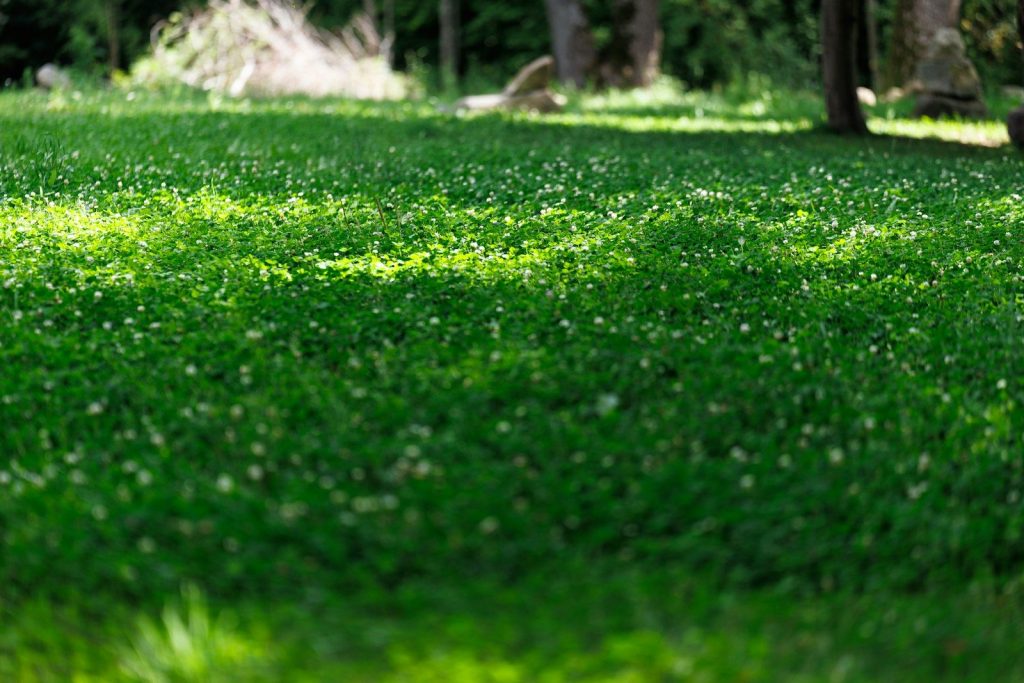
Baton Rouge lawns don’t follow the same schedule as lawns in colder parts of the country. Our warm-season grasses grow through the warmer months, then slow down as temperatures drop. St. Augustine, centipede, bermuda, and zoysia each have their own needs, so the best lawn calendar starts with knowing what grass you have and watching how it responds to local weather.
That’s true whether your property is in the Garden District, Southdowns, Broadmoor, Shenandoah, or elsewhere around Baton Rouge. A calendar is a useful guide, not a substitute for looking at the lawn in front of you.
January and February: Keep the lawn tidy, not busy
Warm-season grass is usually growing slowly or partly dormant during winter. Mow only when the lawn needs it, and clear heavy leaf cover so it doesn’t smother the grass. This is also a good time to make a note of thin spots, worn edges, or beds that need attention once active growth returns.
Traditional “weed and feed” products are generally not practical for Baton Rouge lawns. Applying them too early can cause the nitrogen to wash out of the soil before the grass is warm enough to grow. We recommend separating the applications: apply weed control in February and early March, then apply fertilizer in April or May, when warm-season grass is ready to grow. A slow-release fertilizer can help sustain a green, healthy lawn throughout the growing season.
Hold off on nitrogen fertilizer while the lawn is dormant. LSU AgCenter guidance warns that winter fertilizer can encourage weak growth and other problems. If you’re unsure what the soil needs, a soil test is a better starting point than guessing.
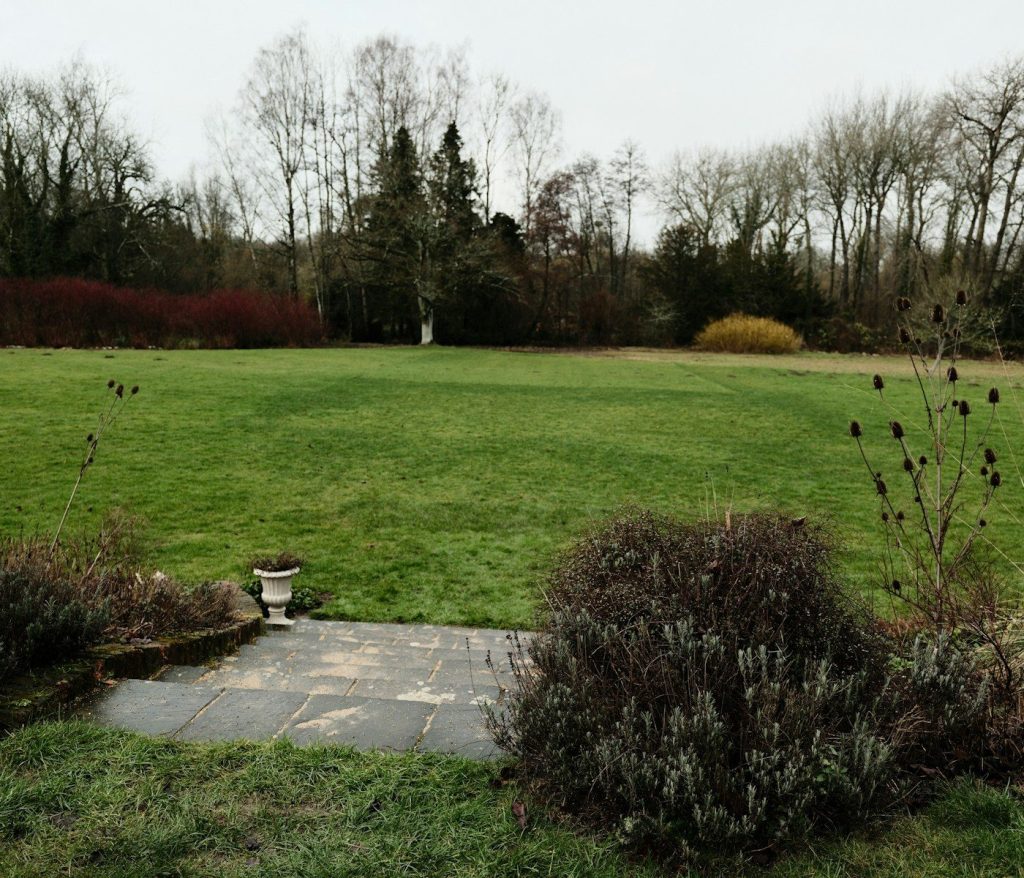
March and April: Let growth, not impatience, set the pace
As the lawn wakes up, resume mowing as needed and sharpen the mower blade before the busy season. Don’t rush fertilizer at the first hint of green. LSU AgCenter guidance for south Louisiana points to mid-April as a general start for warm-season lawn fertilization, with the right product and rate depending on grass type and soil needs.
Spring is also a good time to refresh landscape beds, add mulch where appropriate, and trim shrubs. Only trim the shrubs after the spring blooms. Those details matter from the sidewalk, the driveway, and the front door. They’re part of the first impression your property makes.
May through August: Keep up with growth and heat
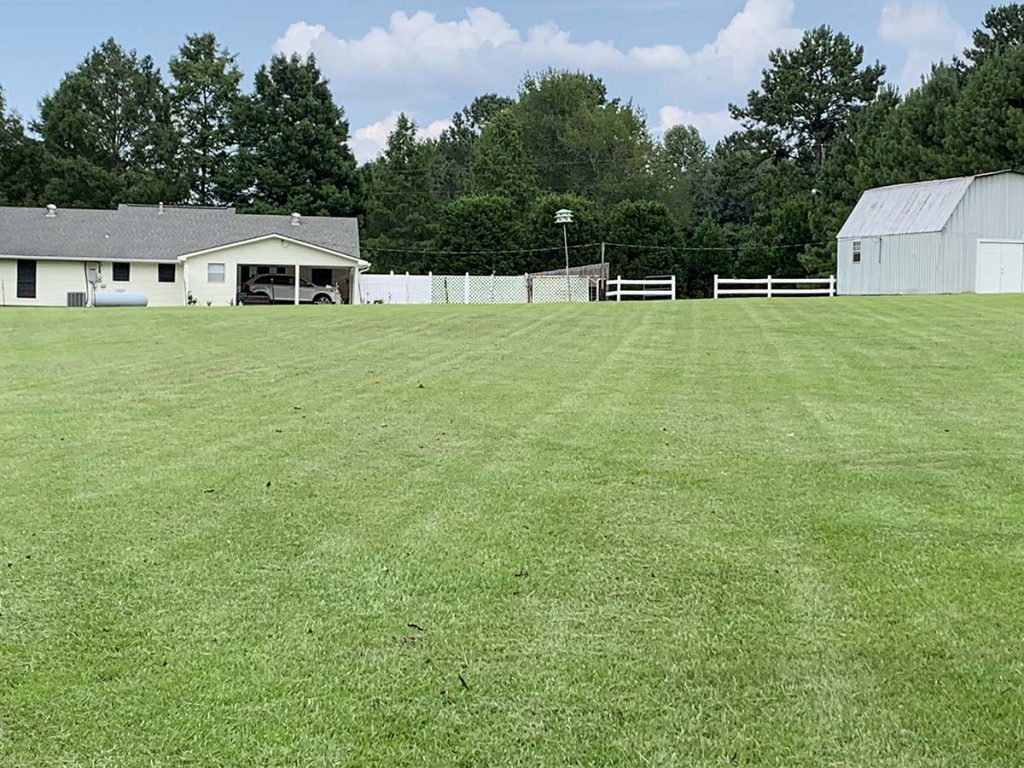
This is the main growing stretch for Baton Rouge lawns. Rain and warmth can make grass grow quickly, so mowing frequency should follow actual growth rather than a rigid weekday schedule. Avoid removing more than about one-third of the grass height in one cut; taking off too much at once can stress the lawn.
Where appropriate, we offer weekly mowings to maintain your grass at the perfect height during peak growth periods of the summer.
Water based on rainfall, soil, and what the grass is showing you. Baton Rouge can swing between heavy rain and dry spells, so a fixed routine may not fit every week. Watch for unusual discoloration or thinning, and identify the cause before reaching for fertilizer or weed control.
September and October: Ease into the cooler season
As growth slows, mowing usually becomes less frequent. Keep leaves and debris from building up, and check beds and edges before fall weather settles in. Avoid late nitrogen applications unless a local turf professional or soil recommendation says otherwise; feeding at the wrong time can leave warm-season grass more vulnerable as it heads toward dormancy.
November and December: Prepare for a quieter lawn
Most warm-season lawns slow sharply or go partly dormant. Keep the property clear of heavy leaf cover, mow only as needed, and resist the urge to force winter growth with fertilizer. Use the slower season to plan spring improvements, from a bed refresh to replacing a worn section of sod.
A local calendar should fit your property
The right timing depends on the grass, shade, soil, drainage, and rainfall on your own property. A shaded lawn and a sunny lawn can need different care even a few streets apart. Start with the condition of the turf, then use the season as your guide.
KTG Lawn Services provides lawn maintenance and residential landscaping in Baton Rouge, Central, Zachary, Denham Springs, and surrounding areas. If you’d rather have a local crew handle mowing, edging, bed care, or seasonal cleanup, see KTG’s lawn services or request an estimate.